CULTURE SHARE: The Grenchus Foundation @ Kate Oh's "Hypnotiq" by Arian Lori-Amini
I am happy to share this post, where I was invited to Kate Oh’s Gallery to experience the artwork of Arian Lori-Amini….and to attend the opening event and reception….
Arian’s artwork is an icon all in itself…. and so is Arian ~ for his voice to his experience….
Although I came in, attending another event before and after this event….and entered a little late to Arian’s truth…. his truth spoke loud and clear…..
As most of you know, who follow my posts on culture shares… I don’t always give - in this category …. a truth that was presented to me or recounting of my own experience etc… usually, I just share the ideas of others and their critiques and views…. but this…. this exhibit has changed it all for me…
When I first walked into the exhibit Arian was already there, discussing each piece…but the parts of his own truth that stuck with me were that he has emigrated to a country that can and does accept his artwork, and where he can speak the truth to his life experiences through his artwork. Many of the pieces he created were in introspection of what was experienced during his time in Iran as well as during experiences of Islamic beliefs / cultures - but it goes deeper than that….
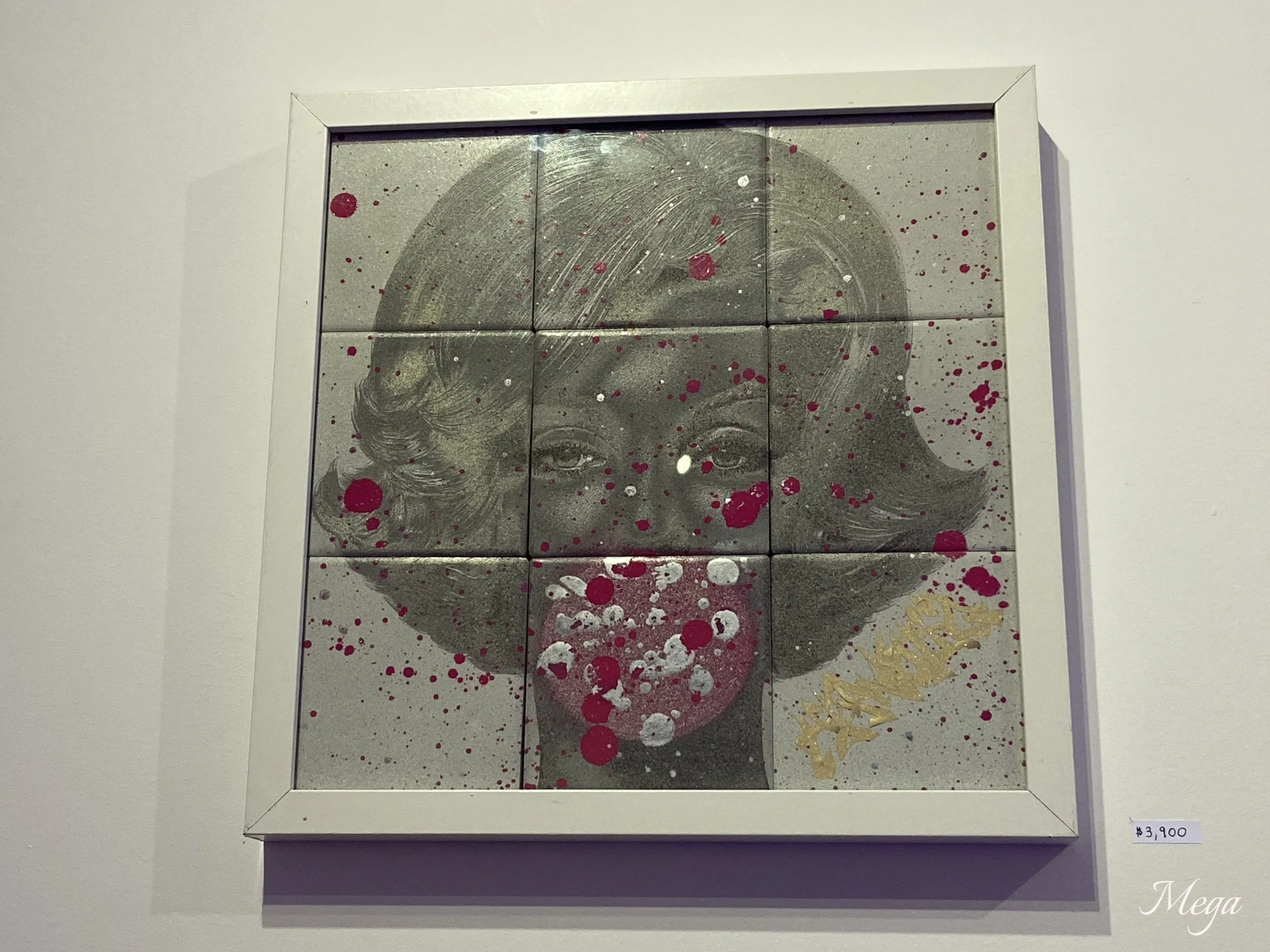
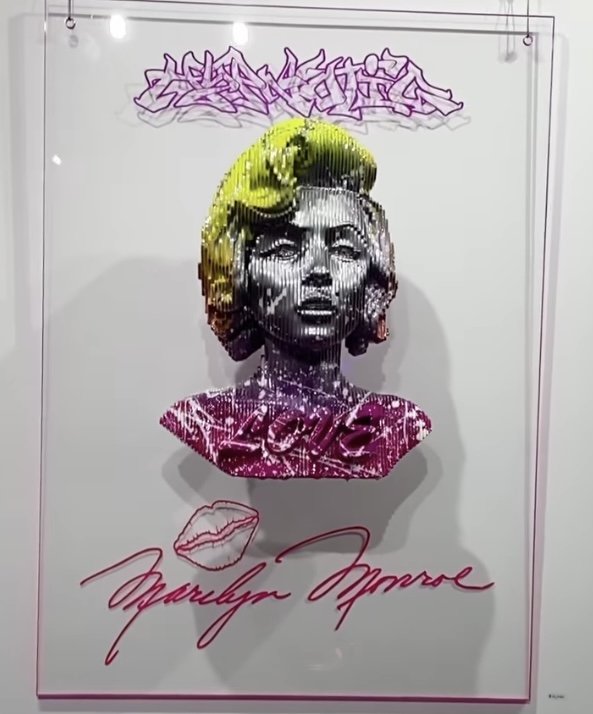
When discussing the lips of Marilyn Monroe… he stated the truth of what had happened to his own family relatives back home… the truth of the girls’ lips being slashed … to make them bleed. This made the lips puffy… but … it was not done for cosmetic reasons.. as some women receive botox and lip fillers here… but as a means of punishment for women who didn’t follow the rules the way they were dictated to follow the rules…..Arian saw women’s bodies, and the women in his family’s bodies… bruised, beaten, and torn…. for not following beyond strict shria law. …. and what some would term extreme shria law… which actually isn’t shria law itself….
It has taken me this long, since the exhibit… to write this piece and share this piece with all of you - given the multiple dynamics of the exhibition and what I experienced speaking with the artist himself, so much so, that I am not writing only from my own experience, but also that of the artist’s experience, in addition to the art critiques (which will be shared below)….
My own truth is -
Arian is dynamic artist representing the true experience in his own time… while constantly calling back to the beauty of the feminine… even if it has to be displayed in icons the United States already knows… only these Icons… they speak the truth of what women have suffered in other parts of the world… for their feminine essence, truth, and childlike innocence…. a depiction of Marylin Monroe in this case… is not just a depiction of Marylin Monroe… but of all the times the feminine essence of women was disowned… or the feminine beauty of women has been disowned, violated, and disregarded, disavowed, as well as subjected to cruelty and hatred…. throughout the globe (not just in one specific country).
Arian further told me about his travels to bring the exhibit here … and what that looked like for him and his companion. It was far from easy. It took complex planning, and over planning to make sure the exhibit even made it here to NYC…and the only way they made it here - was through - the overplanning - PLAN B - a very long trip - in a uhaul… the two of them packing the artwork and driving it here…. and worrying about every bump along the way - because we all know - as artists… if the art-truck hits a bump… the artwork can be ruined.
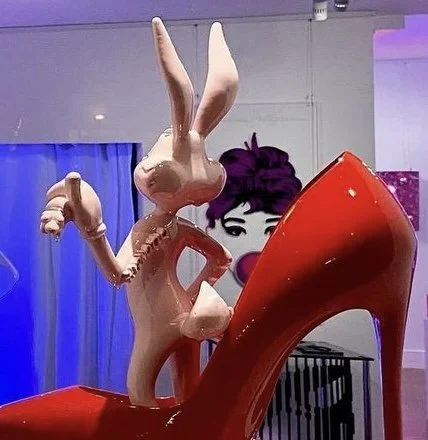
And I will state - while many may see the surface of Marilyn Monroe or Audrey Hepburn… Arian’s truth and even my own truth go far deeper than these representations and two icons in American Culture; or even past the “playboy bunny” alluded to in “Drip Bunny Girl”….
The truth throughout this exhibit is the beauty of the female body and emotions - that should not be degraded… for being female… and the female spirit which always endures even the most evil acts of men or society…. That the female body is to be cherished …. not publicly displayed or even beheaded for their truth as a female in the world today. And while some of you, may see this post and even his artwork as controversial today… for me … it is far from controversial…. it speaks to a global truth of what women have suffered throughout generations…. because of the truth of who they are…the fact that they are female…. but also because of the truth of their feminine identity. ..forced to slash their lips, or someone slashing their lips without their consent…. because they were thought to be in sin…. when they had done nothing wrong. But also, of the feminine woman God created them to be, in their divine and true essence. The lips can be seen as sexy, and honored in their human dignity, value and worth, in the fact that God is present in the other, that you kiss, and the other person that a person kisses of their own free will… not forced to kiss by someone else.
Arian’s exhibit celebrates the feminine.. the curves and essence of the feminine that should be allowed to express itself - in a healthy and a holistic way - although - in most societies is not free to do so. Arian further alluded to this truth when he spoke of his other pieces here, on exhibit in NYC… with a decapitated Marylin Monroe… signifying her suicide… but also… decapitation of women by extremist groups …. groups who do not honor the human dignity of women and do not respect the human dignity of women (or of men).
In this writing, as a woman, and a female, I fully recognize the truth of what women and other females have suffered in other countries throughout this time. And I refuse, to disregard that truth….for another person’s convenience….no matter the country or location.
Hypnotic… the exhibit.. is not about being Hypnotized…. as others would judge or think … by the title…. it is actually about the opposite…. it is about being fully awakened… to not allow yourself to be hypnotized by evil means of different sects and parts of political systems or what some people will term as culture…
and for those of you who know me, you already know, I engage in inter-religious dialogue and have many friends who are Muslim, and while Catholic during undergraduate studies and even throughout this time… still interacted with m=Muslim leaders and Arabic etc… Culture…. I speak the truth of all those who have been marginalized …..
Walking in on the conversation … and hearing Arian’s truth… this is not a truth of consumer culture… but of one who does not allow oneself to be consumed by that which or those who surround them…. despite the materials to create artwork… available to them (resin vs. plaster, marble or ceramic). Or despite iconic figures presented to them in a religious sect that may not have known about the truth of women’s freedom. The truth that God created women equal to men…. and that God created women to also be valued in all the aspects of who they are…. not just what men wish they were or want to see. Whether it be the shape of their body, or their minds, or their imagination, prayer life, or freedom or lack there of, to express themselves.
And be clear here - amongst different cultures…. while one female commits suicide, another female is ostracized to death….
Something made clear to me… that I already knew, before the exhibit… but, yet, what Arian made even more clear was that … women’s bodies and the whole being of the person of the woman / female… is to be treated with honor, dignity, and respect… no matter the downward spiral of any culture they are in … or anyone that surrounds them.
Thank you ~ Thank you Arian ~ for this delightful truth… which was made - so much more clear…. by your exhibit, your talk, experience, and your own personality and being.
Thank you, for sharing your truth.
Mary’s Interpretation: Captions:
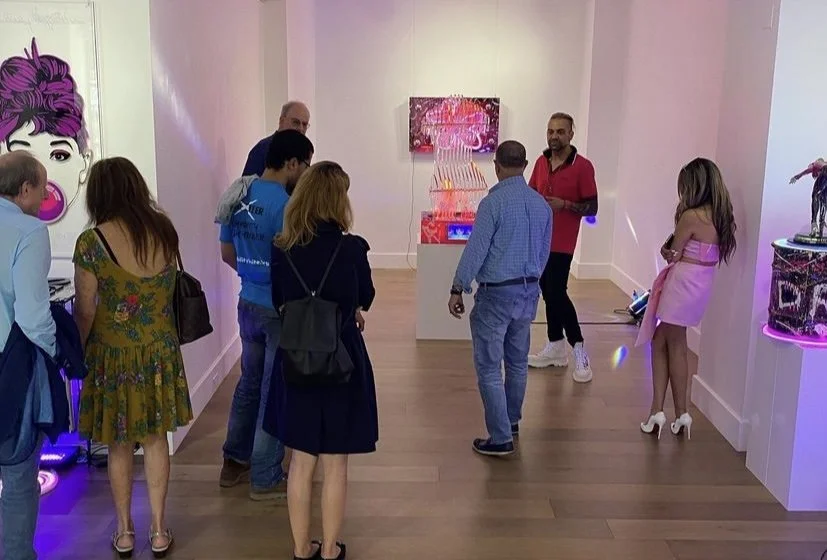
Our founder at the events…
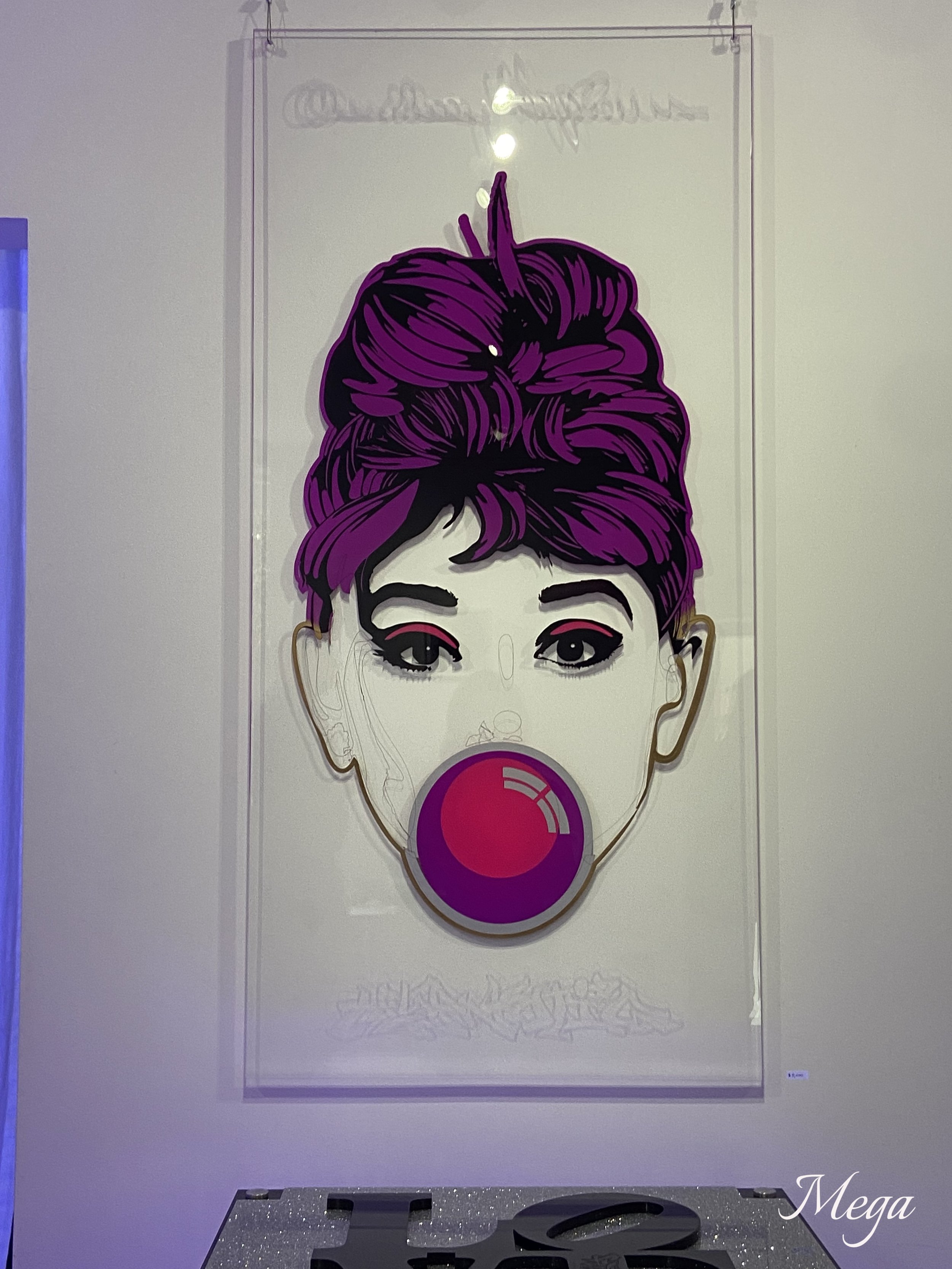
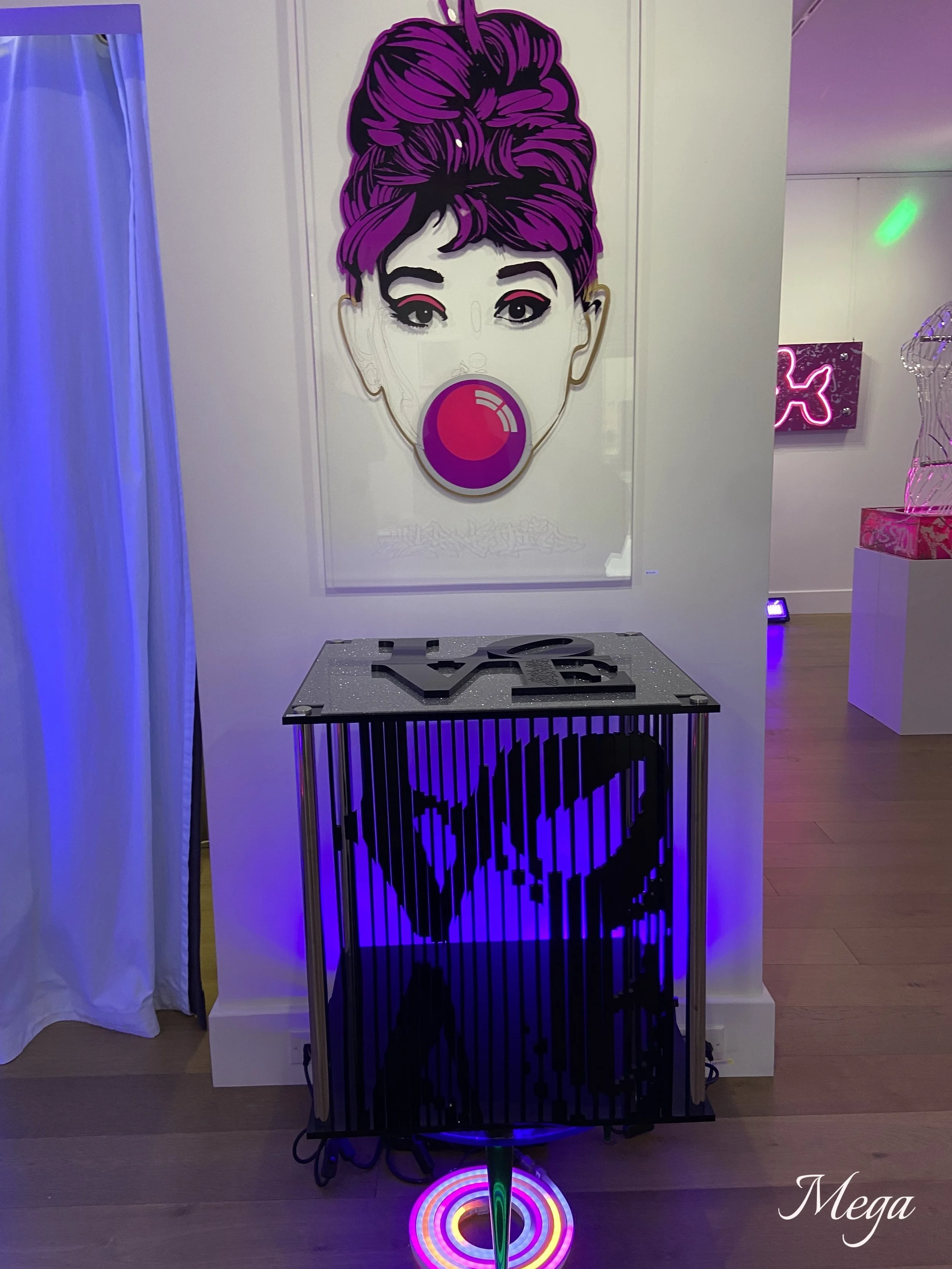
2. While Audrey Hepburn has ben an icon in countries and cultures for her films… She is honored and known in her truth as UN Ambassador: Audrey Hepburn's dedication to children became immediately clear in her role as UNICEF Goodwill Ambassador. After her first trip to see UNICEF's programs in Ethiopia, where drought and conflict had led to famine, Hepburn used her celebrity profile for good.
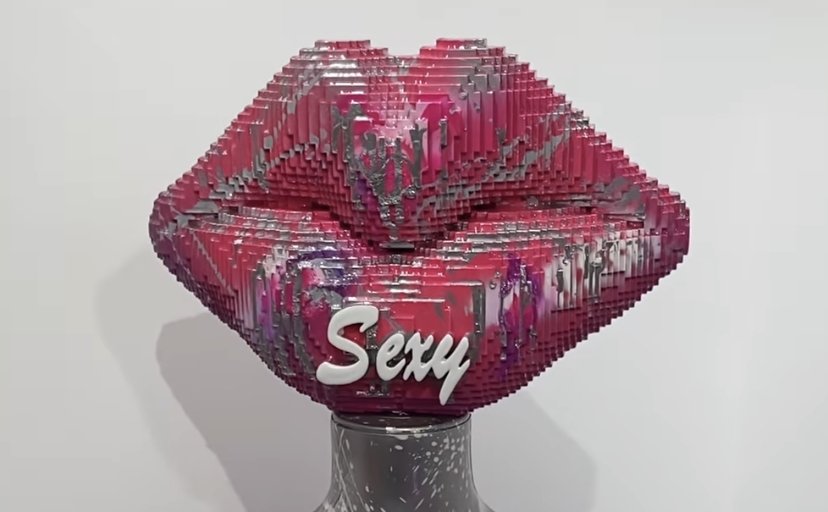
3. While Marilyn Monroe is known as an actress, recognize her: bloodied lips: which has happened in all cultures to women throughout this time. Yet, Arian, spoke more deeply to this truth in his own experience of the way women are treated in different locations of the globe.
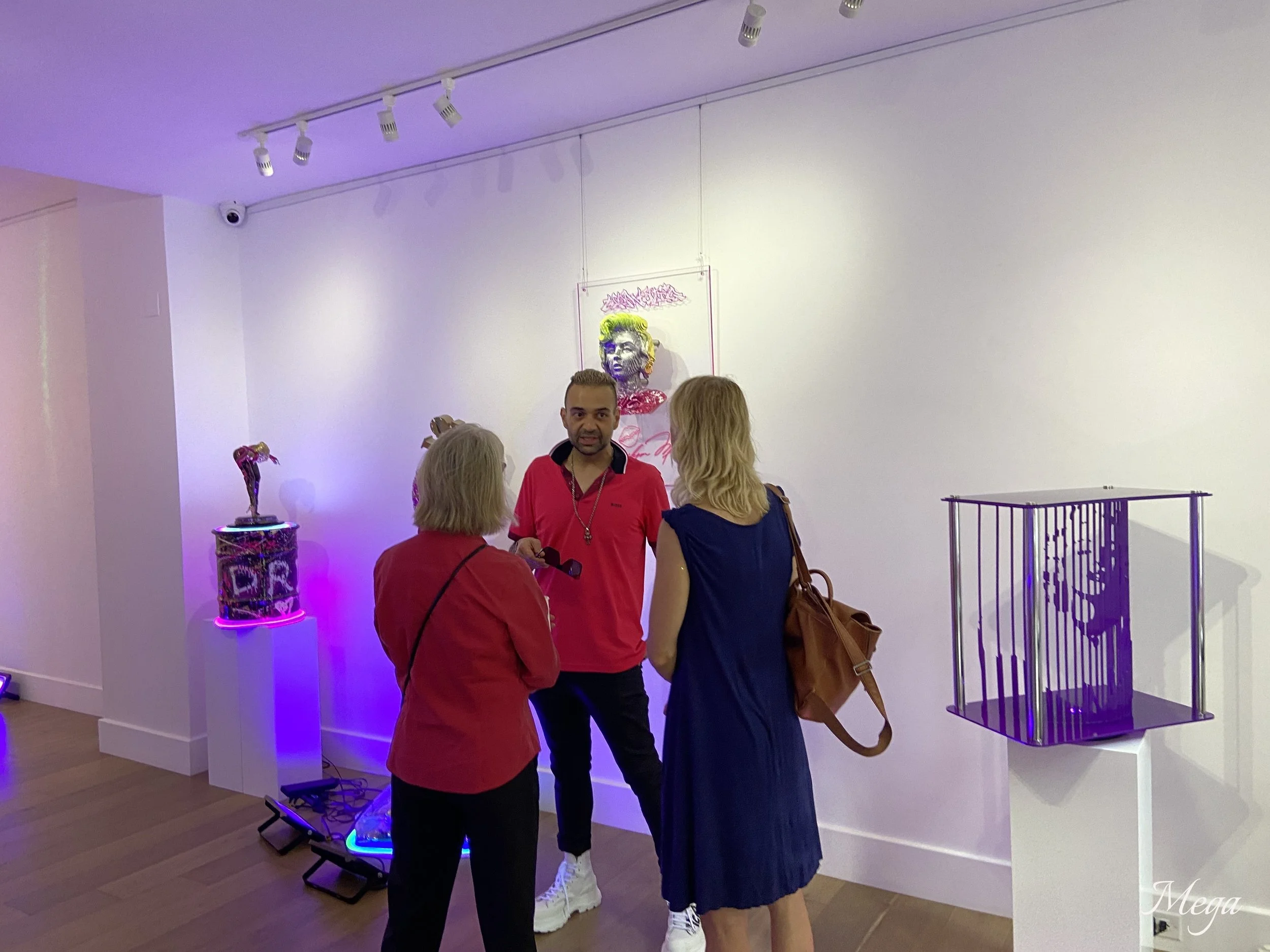
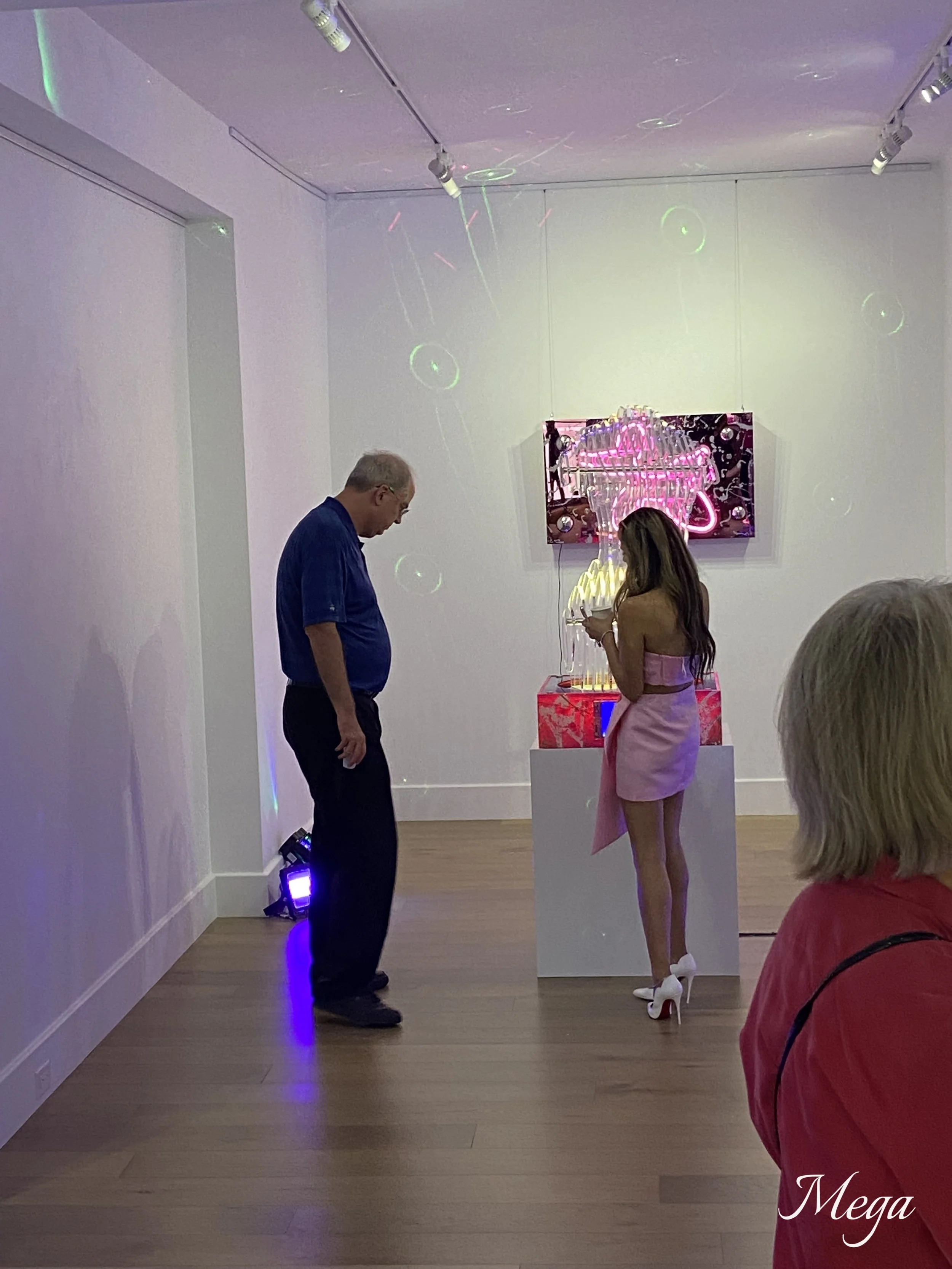
4. Arian: The artist himself … explaining the meaning of his artwork to others….
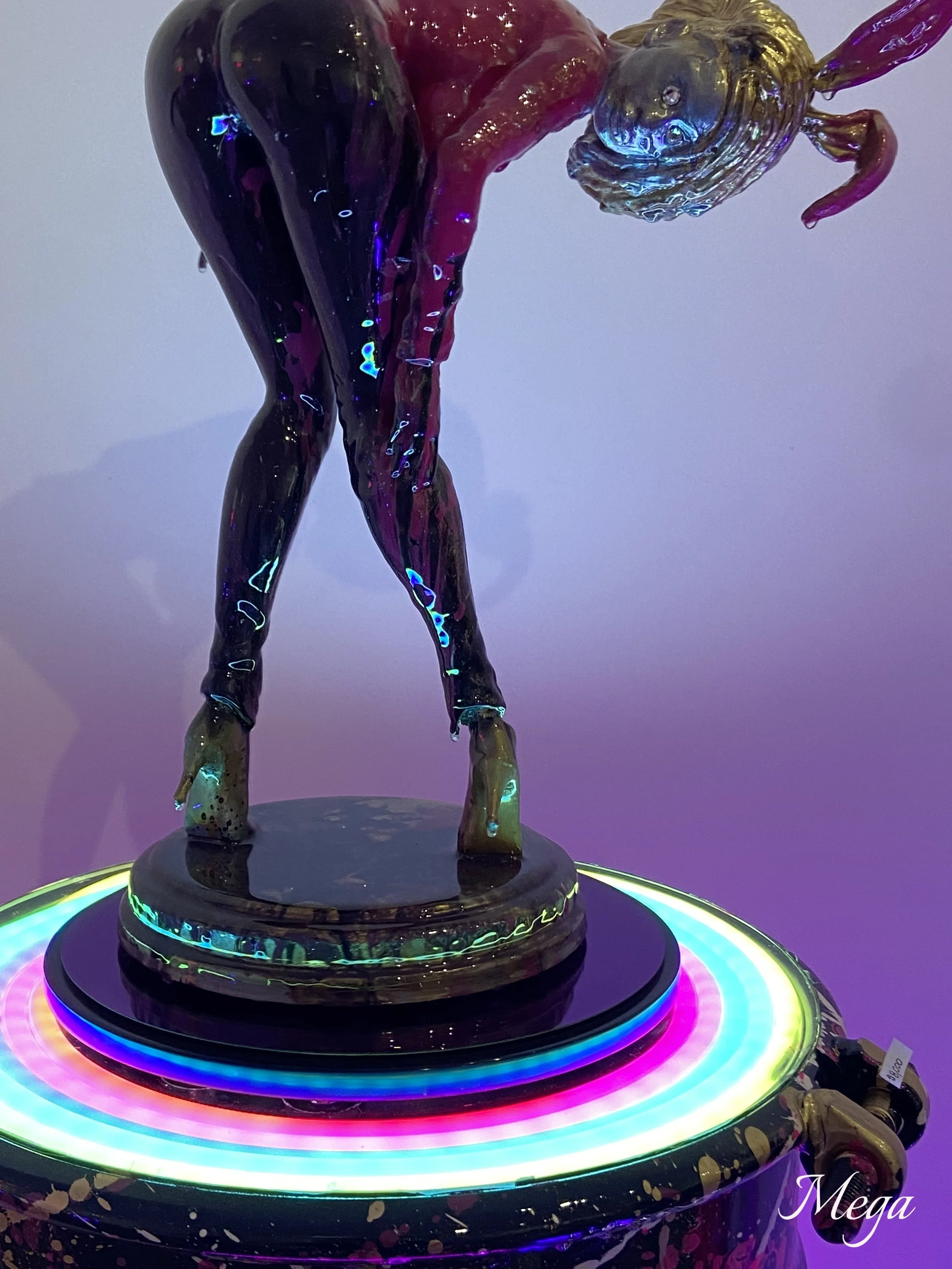
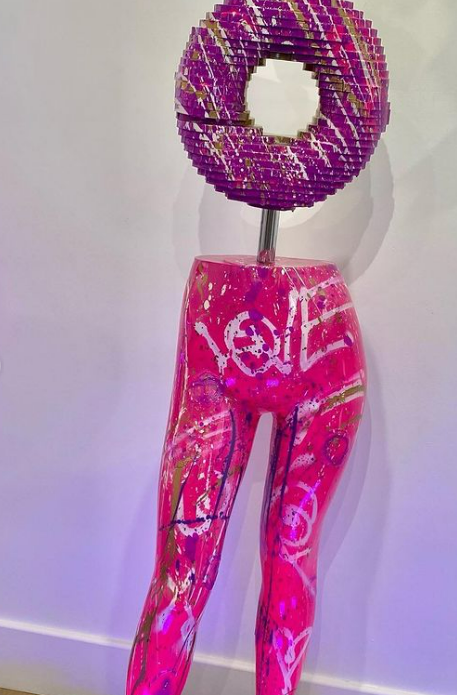
5. The Artwork itself depicts the curves a woman… her legs, her butt, her breasts, her face… none of which should be ostracized… but all of which others should be thankful and grateful for the magnificent creation of women… in the truth and knowledge that God designed women’s bodies with curves; despite what any culture wants women to believe, or any culture forces them to cover up. Own your curves, and the truth of who you are as a woman. You are beautiful with all of your curves… even when societies and cultures — play on your curves or god given features (hence the bunny ears or the ways women have been treated in other cultures).
6. The Curves of a Man… & The Curves of a Woman….
7. Audrey fully loved her family and all that she brought forward to others in society…. let her burst your bubble about all that that includes… to be truly loving - you accept all people for who they are and honor them in their human dignity, value, and respect… and express that to them
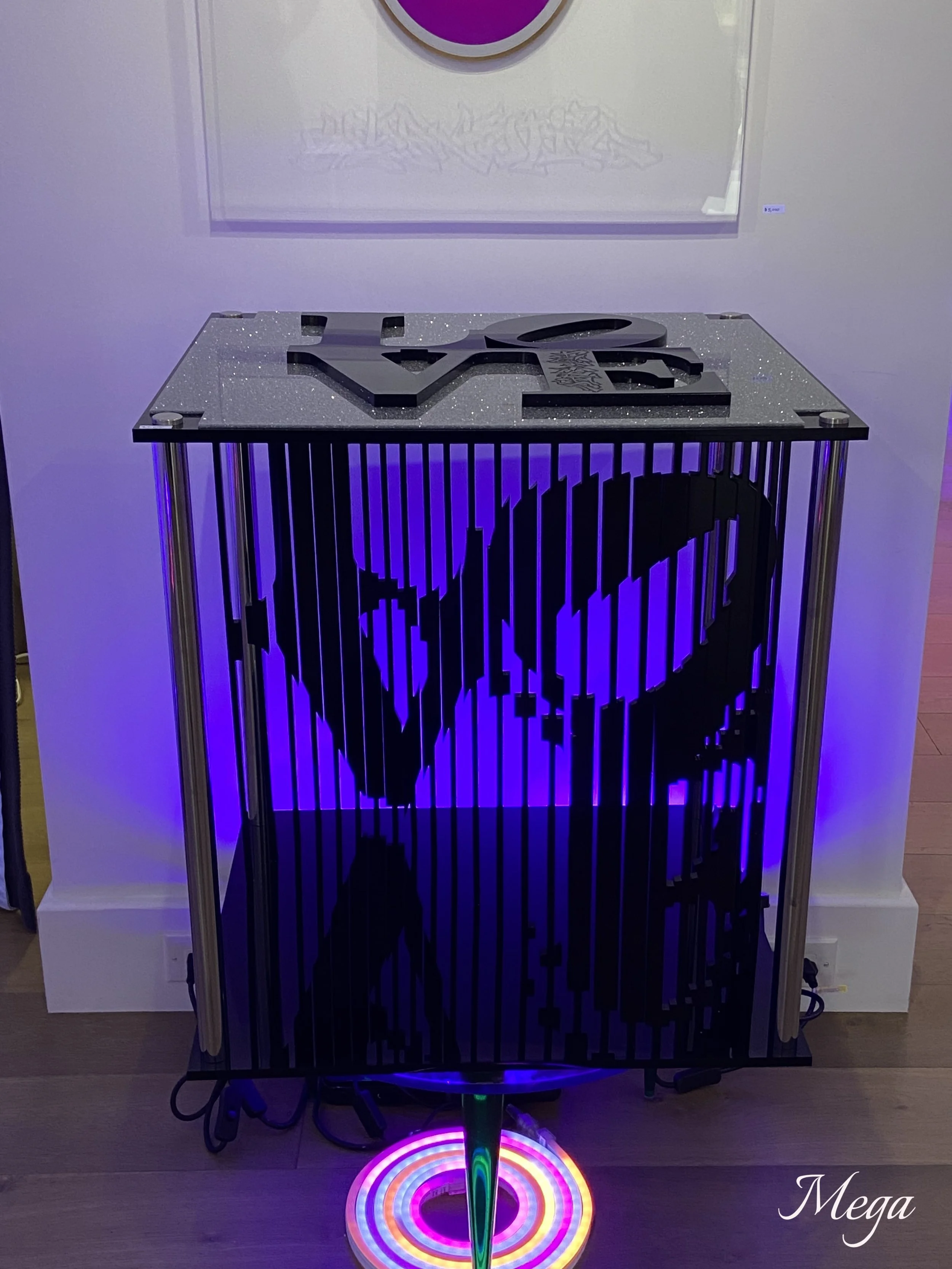
8. LOVE: Love itself is what leads to a fulfilled life… God never put you on this planet to not know who God is… God created you out of love… and in love you were created…. and so you dwell here … in love.
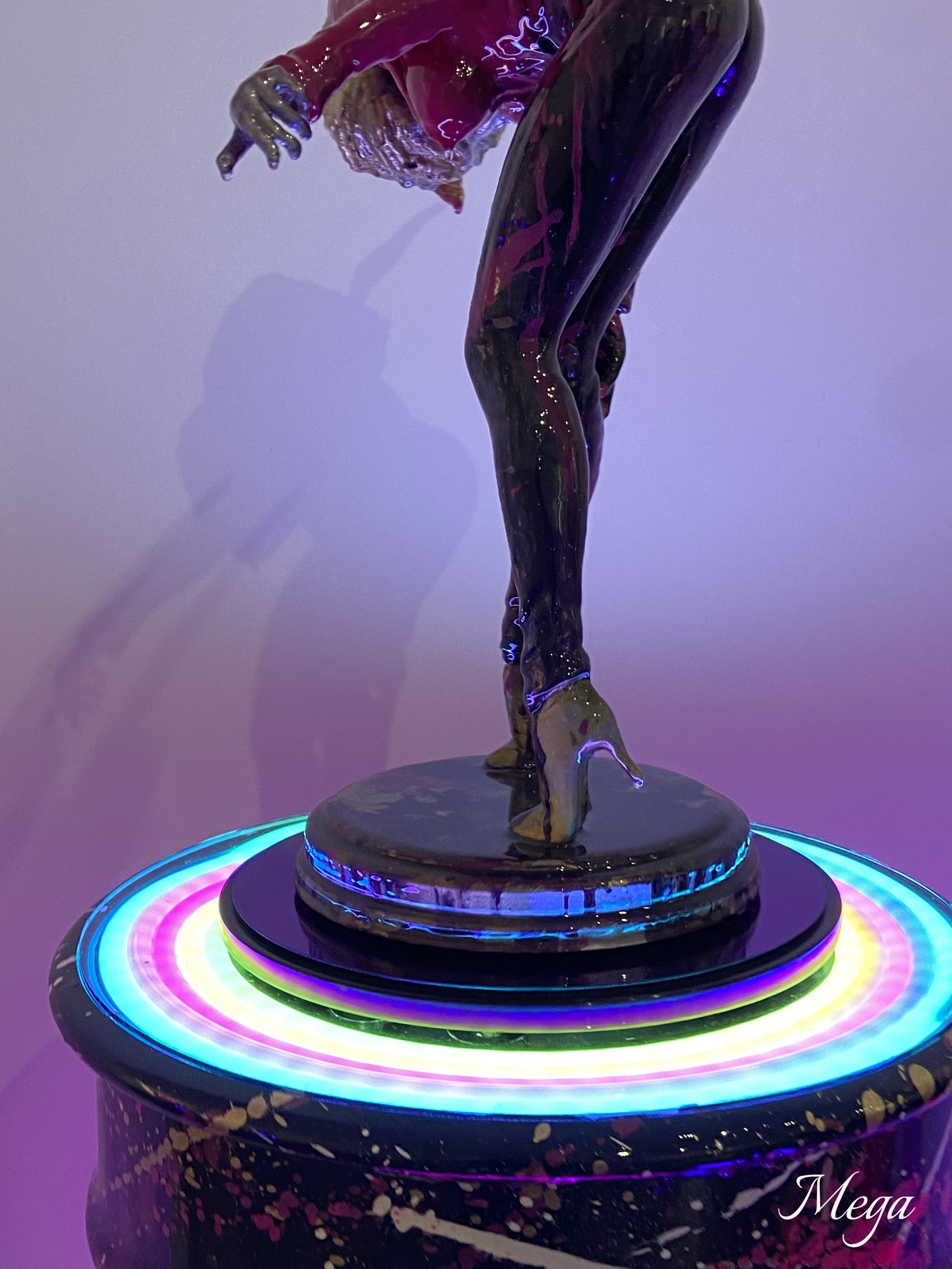
9. The heels are a symbol of your divine feminine… the divine feminine can walk through any storm, in any situation, no matter the attire, or footwear…. and yet… the divine feminine can still overcome all the odds, and bring all of the earth back to reality - to its essence, truth, and goodness…. in running pants and heels … or something else.
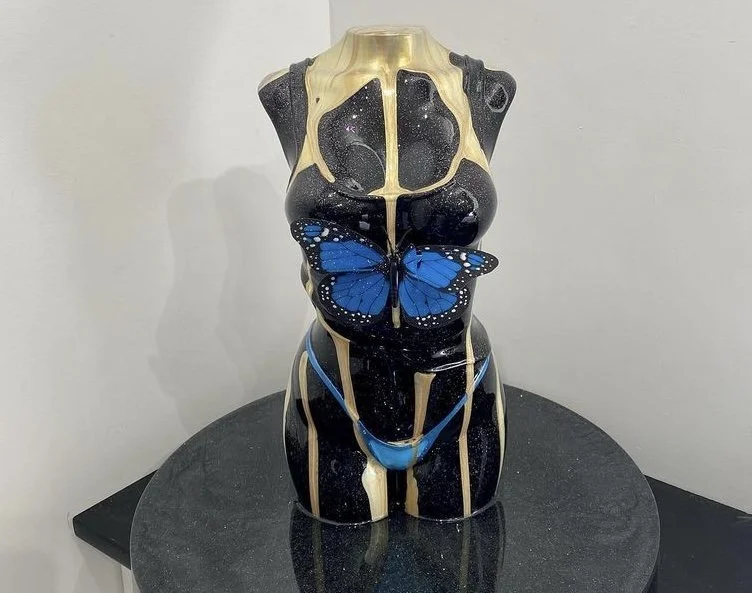
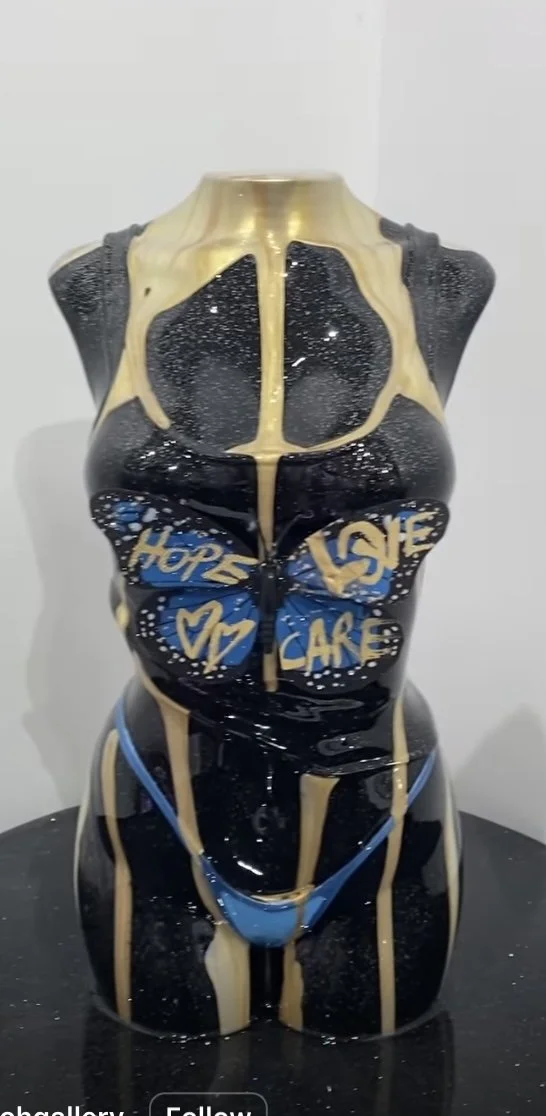
10. When most women begin to fall in love - they feel butterflies in their stomach… but what does this really mean for them and is it honored and respected?
11. Arian rightly allocated the feelings and emotions to women - and the interpretation of butterflies in their stomach…. Arian focuses on feelings of women and what they give back when they feel butterflies in their stomach for the person they are in love with.
12. Women’s ideas of what is sexy - have been shut down for generations…. men had defined what sexy is. And even in cases where they have defined what sexy is… when they define it.. they don’t allow women to feel into their full feminine essence or feel sexy… or they over sexualize women and take advantage of them and play on women’s bodies. What does a healthy “sexy” look like? In what Cultures are women “allowed” to be Sexy and in what cultures are we “not allowed” to own and know this truth… when God, the divine- created sex?
13. Marylin Monroe just wanted a deep and meaningful relationship … of which she did not fully experience here - so she committed suicide…. Sad… yet… she was and still is known as an Icon of beauty for that era in time …. the question is why?… What is your answer to that question?
14. Stiletto’s can bring joy to the female heart… unless she is confined to them in her everyday life… in which at some points … she will just want to have fun… and be “The Rabbit” aka “Bugs Bunny” and just eat a carrot…. (not to be confused with the playboy bunny….)
“HYPNOTIQ: The Contemporary Pop Art Sensibility” by Arian Lor-Amini
Exhibition Date: July 17th - August 5, 2022
In many ways, Arian Lori-Amini (HYPNOTIQ Design) is the pop artist par excellence of the day. The artist, hailing from Seattle’s tech industry, uses 3D printing and UV resin, alongside more traditional sculptural material, to create neon-bedaubed works that replicate popular media artifacts. These include a Marilyn Monroe bust, Bugs Bunny and Louboutin heel, Venus bust, or Jeff Koons-esque balloon dogs. Each work is glassy, glazed, and reflective, abounding with cherry-red crimsons and cobalt blues.
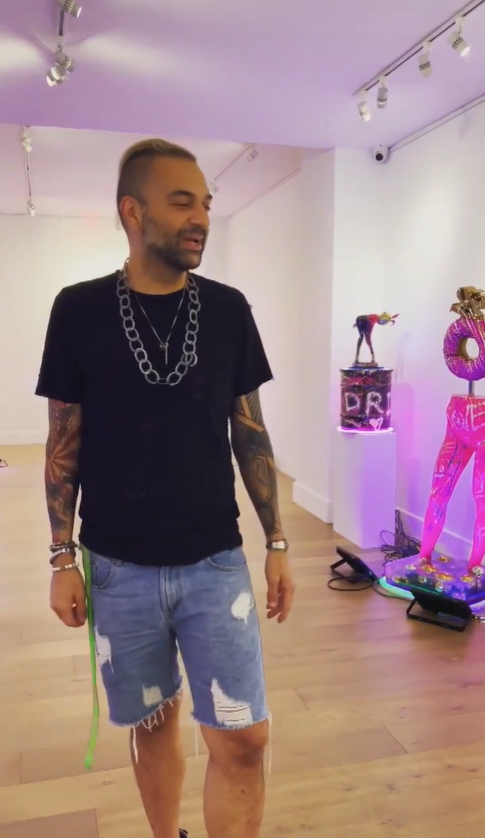
Artist: Arian Lori-Amini
Some of these works point towards Pop Artists past and present—most notably, Andy Warhol. To trace this relationship, we must first consider the sources from which HYPNOTIQ draws. One such starting place is HYPNOTIQ's Shahyad Tower - Shah's Memorial Tower (2020). The artist, who is originally from Iran, was a young boy living in Tehran during the Iranian Revolution of 1978-9. He often notes that this was a seminal experience for him. The bright, flashy coral and azure drips that adorn the small-scale replica of the monument located on Azadi Square in Tehran are, according to the artist, not merely decorative but also indices of explosions and brittle witnessed first-hand. Hence, the Azadi Tower is recreated with graffiti-like paint splatches. Yet rather than imbue these recreations with melancholia, the artist's penchant for flashing variegated colors is of a piece with a particular West-coast finish, an aesthetic that is redolent of 1OAK rooftop balcony parties and the tepid, bubbling Le Bain pool that clubbers perch in as they sip vodka redbulls.
If the artist is interested in culling the Iranian Revolution—stripping the popular uprising against Mohammad Reza Shah's regime and the populist appeal of Ayatollah Ruhollah Khomeini of its sociopolitical purpose by, instead, reifying this event through the eyes of a naive child—then the aesthetization of debris, refuse, and detritus can perhaps be most closely identified with pop art works such as Andy Warhol's 1964 Electric Chair. There is no commentary about the Shah in this piece just as Warhol did not necessarily criticize the death penalty. Notably, however, this is the work that is most overtly tethered to HYPNOTIQ’s reported experience of witnessing the Revolution first-hand, making the work somewhat more personal than Warhol’s experience with the electric chair—after all, in Warhol’s case, the silkscreen work, which was part of the “Death and Disaster” series executed between late 1964 and 1965, replicated a found image. HYPNOTIQ, on the other hand, insists that his experiences during the Iranian Revolution inform his choice to use the splatter-paint motif, even in works that reference popular culture instead of historically significant icons. In turn, this brings to bear another commonality between him and Warhol: the post-modern ambivalent stance.
A current running through much of Warhol’s work, taken up by many art historians and critics over the last few decades, is whether Warhol was launching a criticism of consumer culture or merely celebrating popular aesthetics? The latter option is politically feeble, hailing the death of criticism (in parallel to Lyotard’s proclaimed death of grand narratives) while underscoring the simultaneously commonplace and extravagant aesthetics of mid-to-late twentieth century commercial culture. If we adopt this interpretive approach, Jackie O, Marilyn Monroe, Campbell’s Soup, Mao, and even the electric chair are stripped of sociopolitical and historical weight and, instead, presented in silkscreen form as adorned, visually stimulating icons.
Thus unspools the birth of the iconic as such. Granted, even this politically de-tasked mode, wittingly or not, presents a mirror to consumer society and, consequently, allows for viewers to adopt the critical position. This offers for myriad analyses. For instance, subsequent theorists have drawn our attention to Warhol’s life-long devout Byzantine Catholicism and the strong impression that the Christ icons adorning the Ruthenian Greek Catholic church in Polish Hill, Pittsburgh had on young Warhol. Others, like Douglas Crimp, have spotlighted Warhol’s queer identity, turning to markedly queer works like Warhol’s 1964 film, Blowjob. Similarly, one might query if HYPNOTIQ's Iranian identity and, more markedly, his witnessing the Iranian Revolution, might offer us a critical position with which to approach the Western media images that his sculptural practice centers. Rather than offering mere replicas, both the sculptural works and the Instagram-photo presentation of these sculptures are polished and, in turn, retain a technological sensibility to them. The Campbell’s soup cans, now in HYPNOTIQ's hands, become lustrous and sleek, like airbrushed digital images. This is fitting, given that the analog media of Warhol’s day has been displaced by the ubiquity of contemporaneous digitality. Hence, if Warhol was the 20th century pop artist par excellence, offering us a mirror to critically observe the celebrities and media icons we were once usurped by, HYPNOTIQ cedes us a glossy digital selfie, imbricated with present-day personages that range from Kim Kardashian to Steve Aoki. Regardless of whether HYPNOTIQ’s art practice is intended to criticize capital and consumer culture or, alternatively, willingly participate in it vis-à-vis glorifying and extending its aesthetics, we as postmodern viewers can situate them within our present-day milieu and prod forth such critical queries which, ultimately, rest in the seat of the interpreter.
Written by Philosopher and Art Critic Ekin Erkan